Food or medicine? What diet can do, and what it cannot.

Nutrition changes long-term risk. Medicine treats disease. Confusing the two costs people time they do not have. This page draws the line clearly, and explains the part almost every diet article leaves out: food only delivers its benefit if it is safe to begin with.

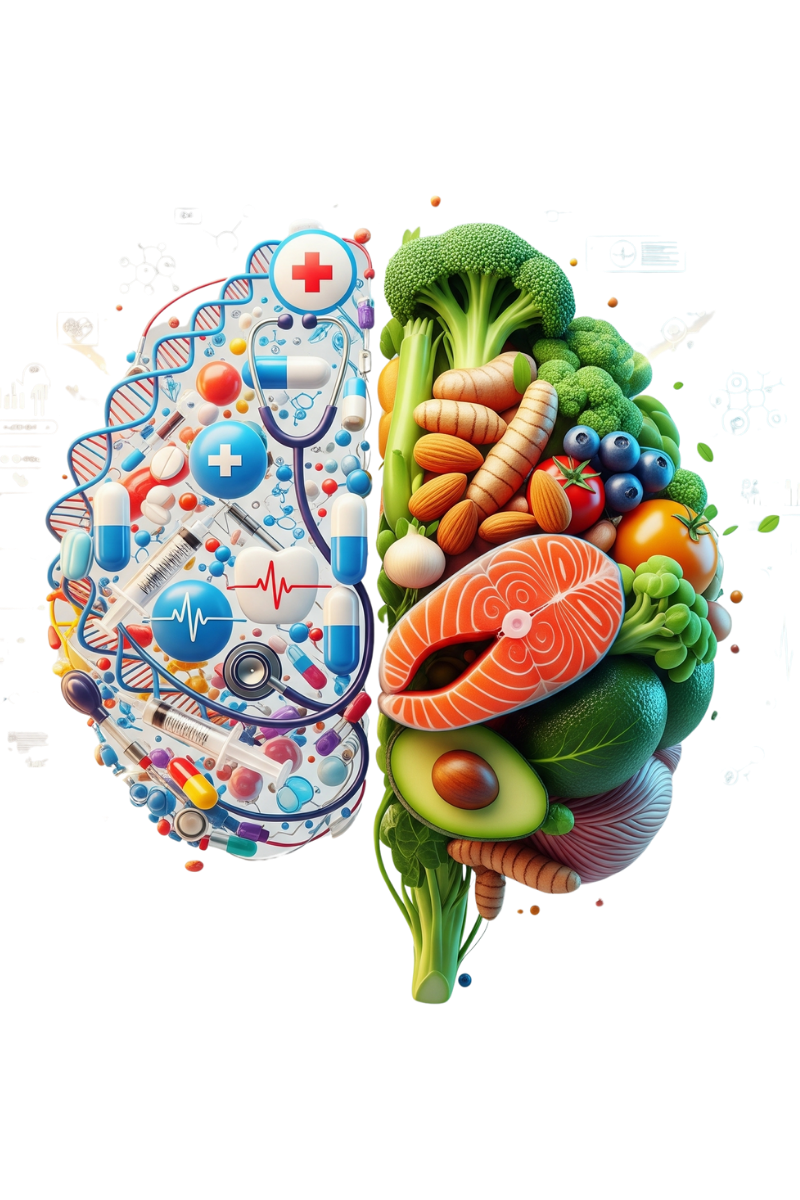
Illustration contrasting medication with fresh whole foods
Prevention and treatment are different jobs. Both are necessary.

Where the line sits

Diet shifts probability. Treatment addresses disease.

Both statements are true at the same time, and most confusion comes from treating one as a substitute for the other.

What eating patterns are associated with

  • Lower long-term risk of cardiovascular disease and type 2 diabetes across populations
  • Better weight and blood pressure control as part of overall lifestyle
  • Adequate intake of nutrients the body cannot produce on its own
  • Reduced exposure to foodborne pathogens when handling is controlled

What food does not do

  • Cure infections, cancer, autoimmune disease or any diagnosed condition
  • Replace prescribed medication, including for chronic conditions that feel stable
  • Neutralize contamination already present in a product
  • Substitute for diagnosis; symptoms need a clinician, not a diet change

Why this distinction matters

Delayed treatment is the harm that follows from blurring these categories. If you have symptoms, a diagnosis, or a prescription, decisions about them belong with your physician. Nutrition sits alongside that care, never in place of it.

Functional foods

What the label promises, and what the evidence supports.

Foods marketed for a specific health benefit are ordinary foods with above-average amounts of a studied compound. That is worth something. It is not a therapeutic dose.

Marine

Oily fish

Salmon, sardines and mackerel supply the long-chain omega-3 fatty acids EPA and DHA, studied for cardiovascular and neurological outcomes.

Safety note: these are highly perishable. Benefit depends on an unbroken cold chain from catch to plate.

Plant

Crucifers

Broccoli, cabbage and kale carry glucosinolates that convert to compounds under active research for their antioxidant activity.

Safety note: eaten raw or lightly cooked, they carry whatever was on them at harvest. Wash under running water; washing does not sterilize.

Spice

Turmeric and aromatics

Curcumin and related compounds are studied for anti-inflammatory activity, though absorption from food is limited.

Safety note: ground spices are a documented adulteration and contamination target. Supplier provenance matters more than dose.

The missing half

A healthy food that is unsafe is not a healthy food.

Nutritional quality and microbiological safety are independent properties. Fresh salmon carries the same omega-3 profile whether or not it spent four hours in a warm car; only one version is worth eating.

Control time and temperature Bacteria multiply fastest between 40 °F and 140 °F (4 °C to 60 °C). Perishable food should not spend more than two hours cumulatively in that range, or one hour above 90 °F (32 °C).
Separate raw from ready-to-eat Dedicated boards and knives, and raw meat stored on the lowest refrigerator shelf so nothing drips onto food that will not be cooked again.
Cook to a verified temperature Use a thermometer in the thickest part of the product. Colour, texture and clear juices are not reliable indicators of doneness.
Know where it came from Supplier, lot and date. When a recall happens, traceability is the difference between removing one batch and discarding everything.
Respect the two date labels "Best by" is a quality statement about flavour and texture. "Use by" is a safety statement on perishable ready-to-eat products, and it should be followed.
ProductMinimum internalNote
Poultry, whole and ground165 °F / 74 °CIncludes leftovers reheated.
Ground beef, pork, lamb160 °F / 71 °CSurface contamination is mixed throughout.
Whole cuts of beef, pork, lamb145 °F / 63 °CRest three minutes before carving.
Fish and shellfish145 °F / 63 °CFlesh opaque and separates easily.
Cold holding≤ 40 °F / 4 °CRefrigerated storage and display.
Hot holding≥ 140 °F / 60 °CBuffets, steam tables, transport.

USDA consumer guidance. Regulated foodservice operations follow the FDA Food Code, which sets cold holding at 41 °F and hot holding at 135 °F. See the full guide to foodborne diseases.
Common questions

Answers to what people ask most.

Can functional foods cure a disease?

No. They may support prevention and general health as part of an overall eating pattern, but no food treats a diagnosed condition. Treatment decisions belong with a licensed clinician.

Do supplements replace real food?

No. Supplements can correct a specific documented deficiency, usually under medical guidance. They do not reproduce the combination of nutrients, fibre and compounds delivered by a varied diet.

Is it safe to eat raw fish?

Only from suppliers operating strict cold chain control and the parasite-destruction freezing protocols required by regulation. Home preparation of raw fish from ordinary retail product is not equivalent.

What is the difference between "best by" and "use by"?

"Best by" refers to quality, and food is generally still safe past it. "Use by" refers to safety on perishable ready-to-eat products and should be respected, particularly by higher-risk consumers.

Do children and pregnant women need different rules?

The core handling rules are the same, but higher-risk groups should avoid unpasteurized dairy, undercooked eggs, raw sprouts and certain deli meats altogether, and follow the guidance of their physician.

Does washing produce make it safe?

Washing under running water reduces surface contamination and residues, which is worthwhile. It does not eliminate pathogens that have internalized into the plant, which is why sourcing and cold chain still matter.

About the author

Portrait of Pamela Valquerizo
Pamela Valquerizo

Veterinarian specializing in the inspection and control of animal-origin foods, with nearly 15 years of field experience in the poultry and egg industry. Author of three books on food safety and veterinary inspection, and a published researcher in the Journal of Agricultural Sciences Research. Member of AFDO and IAFP.

Professional inquiries

Inspection, program design and training.

Food safety program development, HACCP and GMP implementation, inspection consulting, technical training, conference speaking and research collaboration.

Send a message

General guidance only. This page is not medical or nutritional advice and does not replace consultation with a licensed health professional. If you have symptoms, a diagnosis or a prescription, speak with your physician.