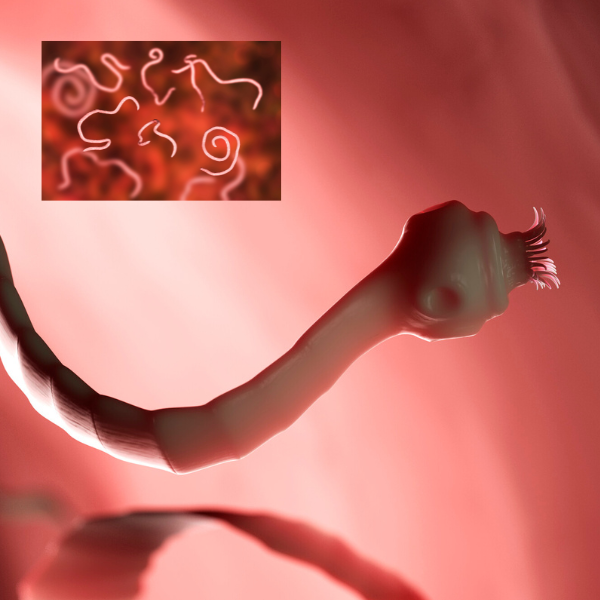
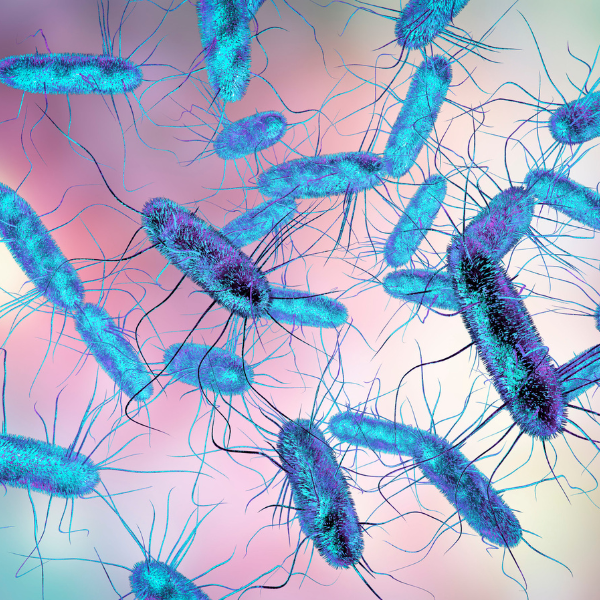
Foodborne diseases linked to animal-origin foods.

Twelve hazards that inspection programs are built around, from bacteria that survive refrigeration to parasites that survive everything except heat. For each one: where it comes from, how it reaches people, and what stops it.

Hazard reference

Bacteria, parasites and zoonoses.

Prevention is specific. A control that works against one of these organisms can be useless against another, which is why hazard analysis starts by naming the agent rather than describing hygiene in general.

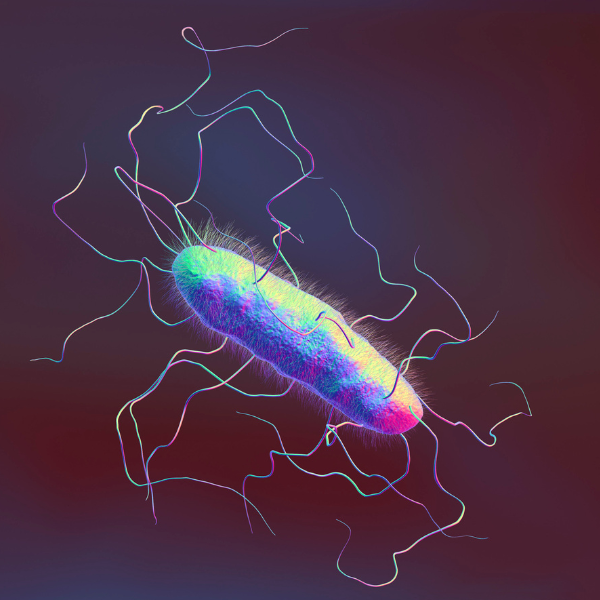
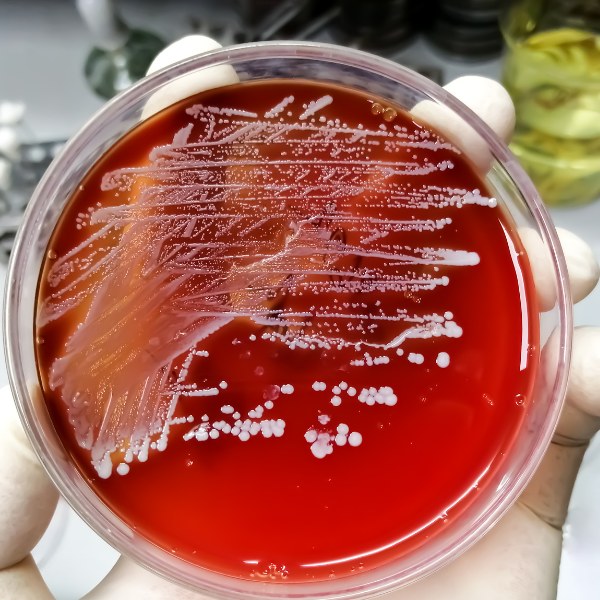
Salmonella illustration

Salmonella

Bacteria

Colonizes the intestinal tract of poultry and can be present inside intact eggs, not only on the shell.

Common sources
Undercooked poultry and eggs, meat, dairy, and cross-contamination on boards and knives.
Route
Faecal–oral, through contaminated food or surfaces.
Prevention
Cook poultry to 165 °F (74 °C), refrigerate eggs, separate raw from ready-to-eat, sanitize equipment.
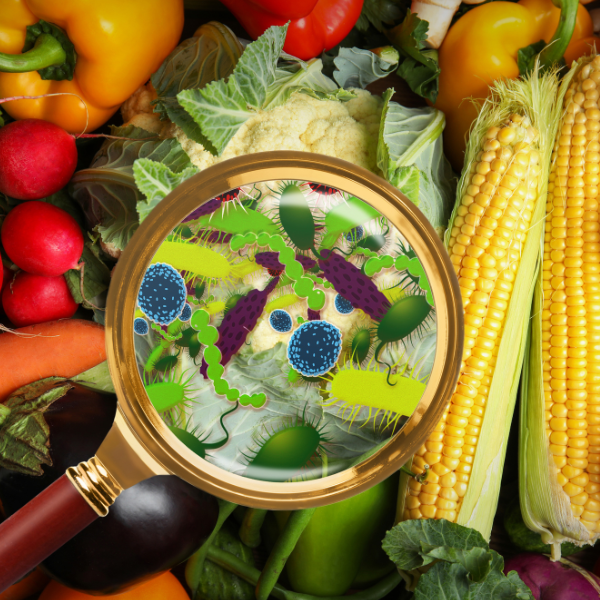
Listeria monocytogenes illustration

Listeria monocytogenes

Bacteria

One of the few foodborne pathogens that grows at refrigeration temperature, which makes cold storage a delay rather than a control.

Common sources
Ready-to-eat meats, soft cheeses, cold-smoked fish, chilled deli areas.
Route
Post-process contamination from persistent niches in drains and equipment.
Prevention
Environmental monitoring, hygienic zoning, cold-room sanitation, pasteurization.
Shiga toxin-producing E. coli illustration

Shiga toxin-producing E. coli

Bacteria

Carried by healthy cattle. The infectious dose is very low, and severe cases can progress to hemolytic uremic syndrome in children.

Common sources
Undercooked ground beef, raw milk, produce contaminated through water or manure.
Route
Contamination during slaughter and grinding; faecal contamination in the field.
Prevention
Cook ground beef to 160 °F (71 °C), pasteurize milk, prevent cross-contact.
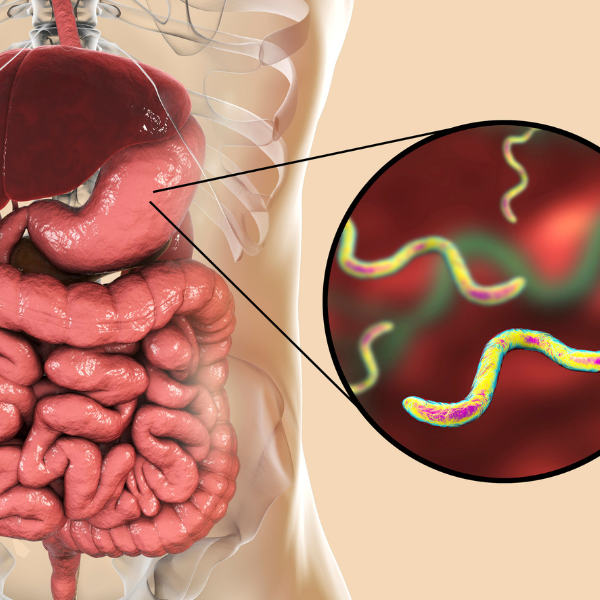
Campylobacter illustration

Campylobacter

Bacteria

A leading bacterial cause of gastroenteritis worldwide, overwhelmingly associated with poultry.

Common sources
Raw and undercooked chicken, raw milk, untreated water.
Route
Cross-contamination during handling, including droplets spread by rinsing raw poultry.
Prevention
Never wash raw chicken, cook to 165 °F (74 °C), separate raw from ready-to-eat.
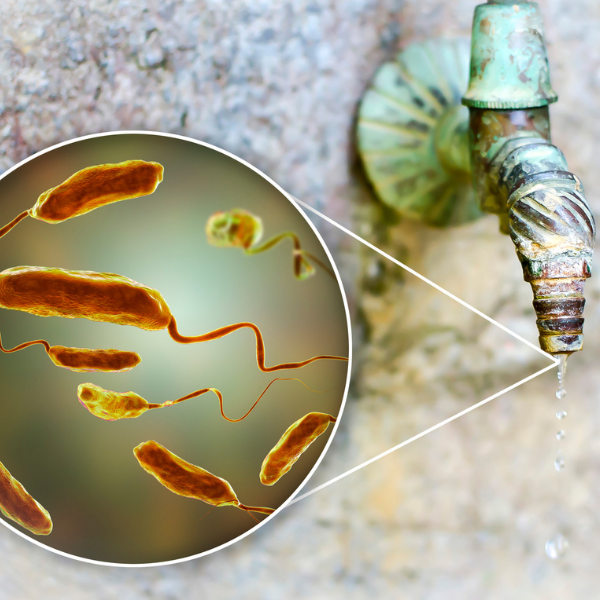
Vibrio species illustration

Vibrio spp.

Bacteria

Marine bacteria whose risk rises with water temperature, which makes warm-season shellfish a recurring concern.

Common sources
Raw oysters and other undercooked seafood.
Route
Contaminated harvest waters combined with an inadequate cold chain.
Prevention
Approved harvest sources, rapid chilling after harvest, thorough cooking of shellfish.
Yersinia enterocolitica illustration

Yersinia enterocolitica

Bacteria

Psychrotrophic: like Listeria, it tolerates cold storage. Most often associated with pork.

Common sources
Pork products, chitterlings, and post-cook contamination.
Route
Faecal contamination during dressing, followed by survival at low temperature.
Prevention
Cook pork thoroughly, prevent raw-to-ready contact, chill promptly.
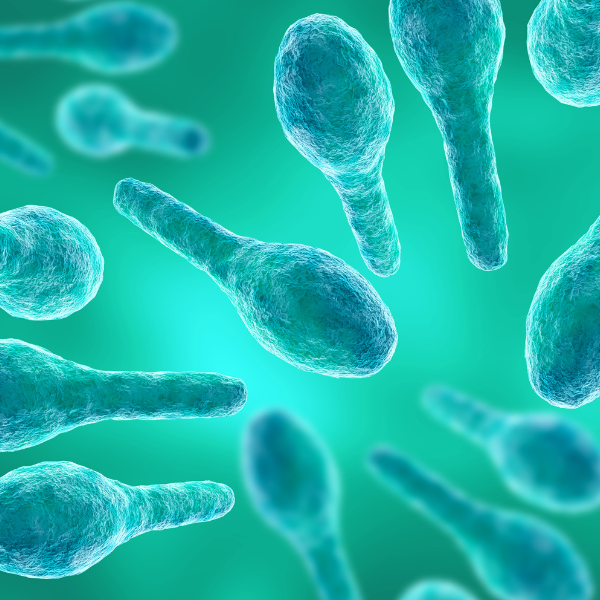
Clostridium perfringens illustration

Clostridium perfringens

Bacteria

A spore former that survives cooking. The illness comes from what happens after the heat is turned off.

Common sources
Roasts, stews and gravies cooked in bulk and held warm or cooled slowly.
Route
Spores survive cooking, then germinate during slow cooling or inadequate hot holding.
Prevention
Rapid cooling within defined time limits, hot holding at or above 140 °F (60 °C), adequate reheating.
Staphylococcus aureus illustration

Staphylococcus aureus

Toxin

The hazard is a heat-stable toxin. Once it has formed, cooking the food again does not make it safe.

Common sources
Meats, dairy and deli items handled by carriers without hygiene controls.
Route
Human carriers contaminate food; the toxin forms when time and temperature are abused.
Prevention
Hand hygiene, exclusion of workers with lesions, rapid cooling, correct holding temperatures.
Brucella species illustration

Brucella spp.

Zoonosis

A zoonosis with two distinct exposure routes: unpasteurized dairy for consumers, and direct contact for workers.

Common sources
Raw milk and fresh cheeses, and tissues from infected livestock.
Route
Ingestion, inhalation, or mucosal contact in abattoirs and during inspection.
Prevention
Pasteurization, herd health and vaccination programs, protective equipment for workers.
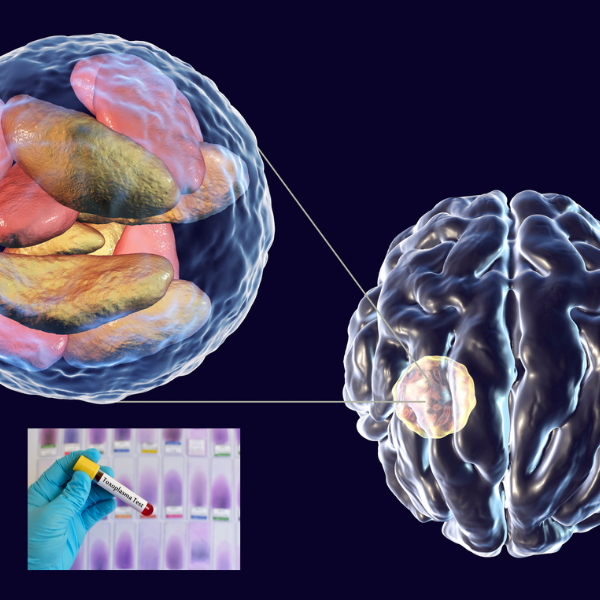
Toxoplasma gondii illustration

Toxoplasma gondii

Parasite

A protozoan of particular concern in pregnancy and immunosuppression, where infection can be severe.

Common sources
Undercooked lamb, pork and game meat; produce contaminated with soil.
Route
Tissue cysts in meat, and environmental oocysts shed by cats as definitive hosts.
Prevention
Cook meat to safe internal temperatures, wash produce, hand hygiene after handling raw meat.
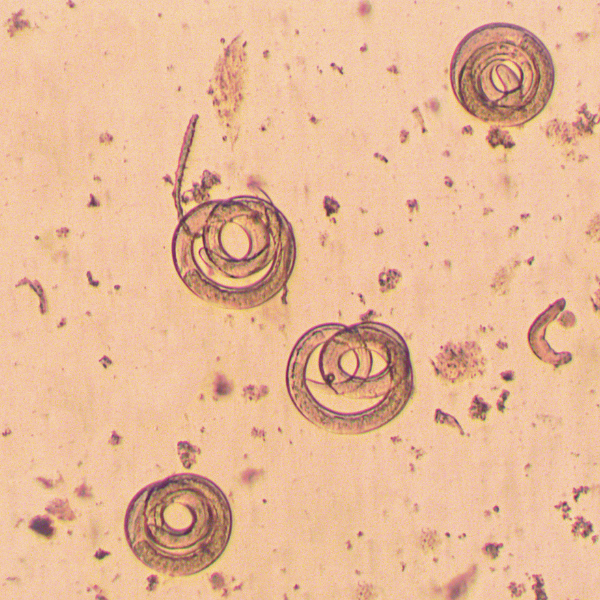
Trichinella spiralis illustration

Trichinella spiralis

Parasite

Largely controlled in commercial pork through feed and husbandry rules, but still present in wild game.

Common sources
Undercooked game meat, particularly wild boar and bear; historically pork.
Route
Ingestion of viable larvae encysted in muscle tissue.
Prevention
Cook game thoroughly following validated time and temperature combinations. Freezing is not reliable for all species.
Taenia species illustration

Taenia spp.

Parasite

Tapeworms transmitted through undercooked beef and pork, and the classic reason carcass inspection exists.

Common sources
Beef (T. saginata) and pork (T. solium).
Route
Ingestion of cysticerci in meat, sustained by poor slaughter hygiene and sanitation.
Prevention
Veterinary carcass inspection, thorough cooking, sanitation in slaughter and processing.

Who is most at risk

Pregnant women, children, adults over 65, and anyone immunocompromised face a higher chance of severe illness from several of these agents, particularly Listeria, Toxoplasma, STEC and Vibrio.

For these groups the safest approach is avoidance rather than careful handling: no unpasteurized dairy, no raw or undercooked eggs, no raw shellfish, and no deli meats unless reheated until steaming.

What cuts across all of them

Five controls that do most of the work.

Cook to a verified internal temperature Heat is the only control that acts on organisms already present in the product. Use a thermometer; colour and clear juices are not indicators. See the temperature reference.
Keep food out of the danger zone Between 40 °F and 140 °F (4 °C to 60 °C) bacteria multiply quickly. Limit cumulative time in that range and cool cooked food rapidly rather than leaving it to drop slowly.
Separate raw from ready-to-eat Dedicated equipment and storage order. Most kitchen and plant outbreaks are cross-contamination events, not cooking failures.
Control the environment, not only the product Listeria and Yersinia live in the facility, not just in the food. Drains, condensate, and the inside of equipment need monitoring and sanitation on their own schedule.
Know the source and the lot Traceability decides whether a recall removes one batch or an entire production run, and how quickly exposure stops.

About the author

Portrait of Pamela Valquerizo
Pamela Valquerizo

Veterinarian specializing in the inspection and control of animal-origin foods, with nearly 15 years of field experience in the poultry and egg industry. Author of three books on food safety and veterinary inspection, and a published researcher in the Journal of Agricultural Sciences Research. Member of AFDO and IAFP.

Professional inquiries

Hazard analysis, program design and training.

HACCP and GMP implementation, environmental monitoring programs, inspection consulting, technical training and research collaboration.

Send a message

General guidance only. Not a substitute for medical care or regulatory advice. If you suspect a foodborne illness, seek medical attention and report the case to your local health department.