Food or Medicine? Finding the Right Balance | Food Safe Inspections
Nutrition • Food Safety

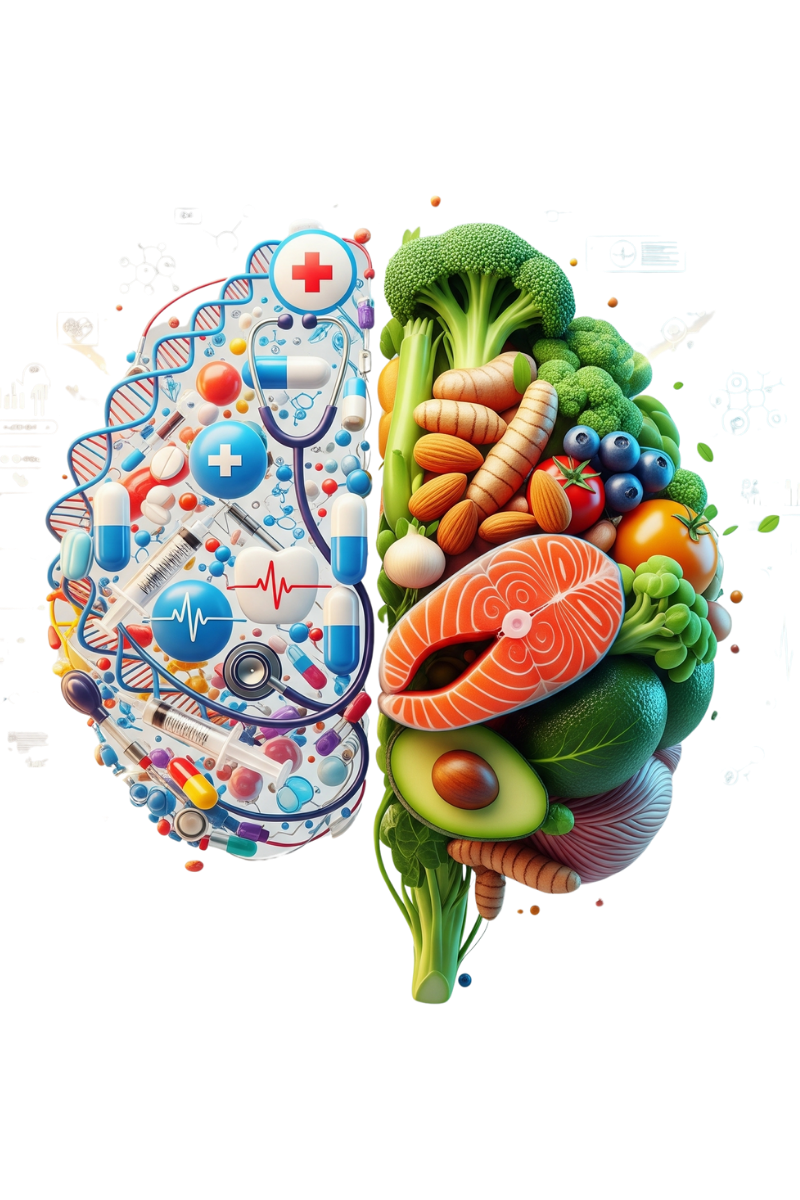
Food or Medicine? Finding the Right Balance

How preventive nutrition and safe food handling reduce health risks while working hand‑in‑hand with evidence‑based medicine.

The impact of nutrition on disease prevention

A balanced eating pattern is the body’s first line of defense. Diets rich in vegetables, whole grains, lean proteins, and healthy fats are linked to lower risk of heart disease, type 2 diabetes, and chronic inflammation. Beyond nutrients, quality and safety matter: benefits depend on proper sourcing, temperature control, and hygiene from purchase to plate.

Immunity

Colorful produce supplies vitamins A, C, E and phytochemicals that support natural barriers and immune responses.

Heart health

Fatty fish, olive oil, and nuts deliver omega‑3s and unsaturated fats that help manage lipids.

Brain & cognition

Antioxidants from berries, crucifers, and spices help limit oxidative stress and support neurological health.

Practical tip: aim for half the plate in natural colors and keep time/temperature under control at every step.

When medicines are necessary

Food does not replace care prescribed by licensed health professionals. Medications are essential for infections, chronic diseases, and specific clinical conditions. The goal is complementarity: pharmacological treatment works together with safe habits and food controls for better outcomes.

Functional foods and their benefits

Salmon & oily fish

Sources of omega‑3s (EPA/DHA) that support heart and brain. Favor well‑monitored cold chains.

Broccoli & crucifers

Rich in sulforaphane and antioxidants. Proper washing and refrigeration lower microbial risk.

Turmeric & spices

Bioactive compounds with anti‑inflammatory potential. Use reputable suppliers to avoid adulteration.

Why food safety is essential

Without sanitary control, “healthy” foods can become hazardous. Time/temperature, hygiene, and separating raw from ready‑to‑eat are pillars to prevent foodborne diseases such as Salmonella, Listeria monocytogenes, and STEC.

Cold holding

Keep perishables at 32–41°F (0–5°C). Log temperatures at receiving and storage.

Hygiene & water

Potable water and sanitized surfaces cut microbial load and cross‑contamination.

Traceability

Know source and lot. In a recall, speed protects public health.

Integrative health: the balanced path

The best results come from combining evidence‑based medicine with safe, balanced eating. Inspection, good practices, and food education lower risks, while diagnostics and therapies ensure appropriate treatment when needed.

Need to strengthen food safety and quality?

At Food Safe Inspections, we believe health starts with safe food. We deliver HACCP/GMP/FSQA audits, biosecurity programs, and training.

FAQ

Do functional foods cure diseases?

No. They can support prevention and overall health, but treatment should follow guidance from licensed health professionals.

Is it safe to eat raw fish?

Only with strict cold-chain control, qualified suppliers, and parasite-control steps (e.g., freezing protocols) as required by local regulations.

How do I start improving my diet safely?

Plan shopping, keep the fridge at 32–41°F, separate raw from ready-to-eat, wash hands and surfaces, and cook to recommended internal temperatures.

Which thermometer temperatures should I aim for at home?

Poultry 165°F; ground meats 160°F; whole cuts of beef/pork 145°F with 3-minute rest; leftovers 165°F. Keep hot foods ≥135°F and cold foods ≤41°F.

What’s the difference between “best by” and “use by” dates?

“Best by” relates to quality (flavor/texture). “Use by” relates to safety and should be followed strictly, especially for perishable, ready-to-eat foods.

Are supplements a replacement for food?

No. Supplements can address specific deficiencies but do not replace a varied, balanced diet and safe-handling practices.

How does food safety tie into chronic disease risk?

Safe handling prevents acute illness, while consistent access to safe, high-quality foods enables long-term patterns (e.g., fruits, vegetables, whole grains) that reduce chronic disease risk.

Can children and pregnant people follow the same guidance?

The core safety rules apply to everyone, but vulnerable groups should avoid higher-risk foods (e.g., unpasteurized dairy, undercooked eggs, certain deli meats) and follow medical guidance.

Always consult your physician if you have questions about diet, prevention, or symptoms.

© 2026 Food Safe Inspections. All rights reserved.