Diseases | Food Safety & Veterinary Public Health
Veterinary Public Health • Food Safety

Diseases linked to animal-origin foods

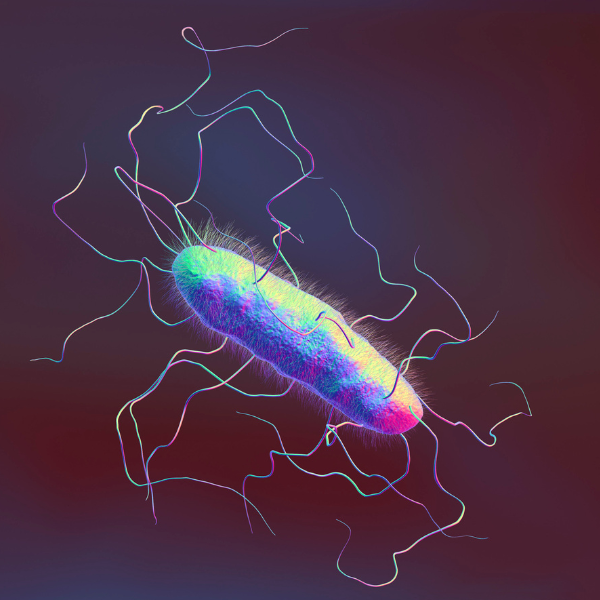
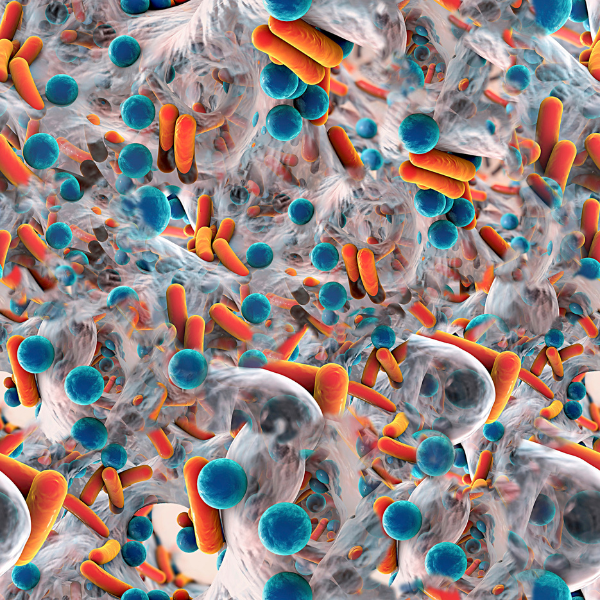
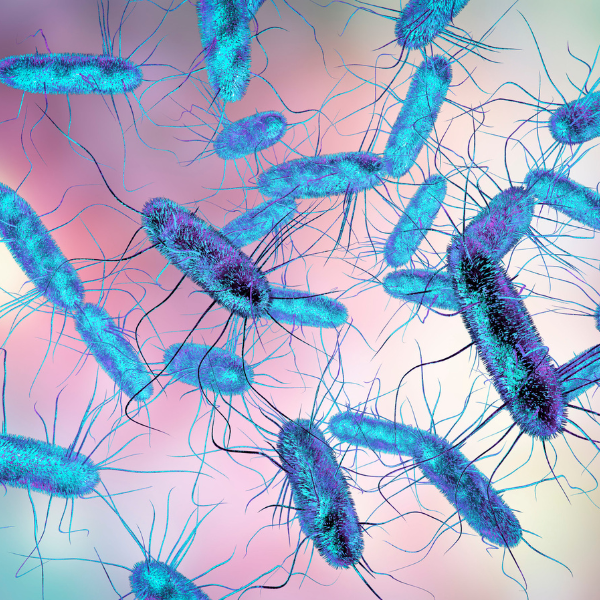
Salmonella

Salmonella

Bacteria frequently associated with poultry, eggs, meat, and dairy.

  • Common sources: Undercooked poultry/eggs, cross-contamination on boards/knives.
  • Route: Ingestion of contaminated foods or surfaces (fecal–oral).
  • Prevention: Cook poultry/eggs thoroughly, separate raw/ready foods, sanitize equipment.
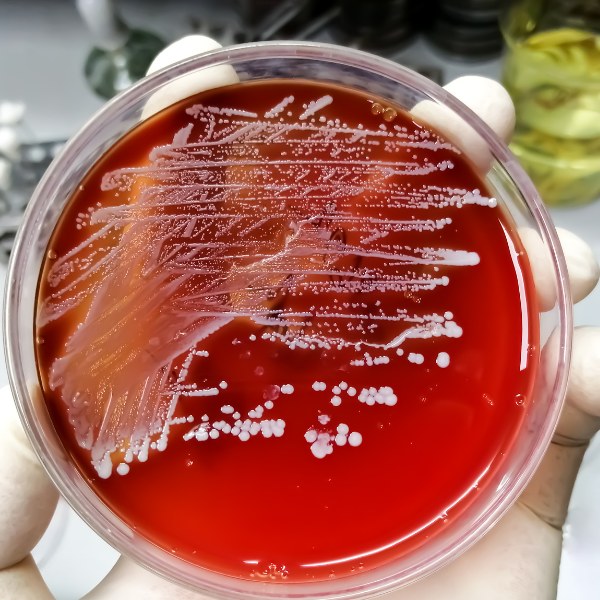
Listeria monocytogenes

Listeria monocytogenes

Hardy bacteria that survives and grows at refrigeration temperatures.

  • Common sources: RTE meats, soft cheeses, cold smoked fish, chilled deli areas.
  • Route: Post-process contamination; persistence in damp niches and drains.
  • Prevention: Hygienic zoning, cold-room sanitation, strict temperature control.
Shiga-toxin producing E. coli (STEC)

Shiga-toxin producing E. coli (STEC)

Pathogenic E. coli strains producing Shiga toxin; severe illness risk.

  • Common sources: Undercooked ground beef, raw milk, cross-contaminated produce.
  • Route: Ingestion; contamination during slaughter/grinding or via fecal matter.
  • Prevention: Cook ground beef to safe temps, pasteurize milk, avoid cross-contact.
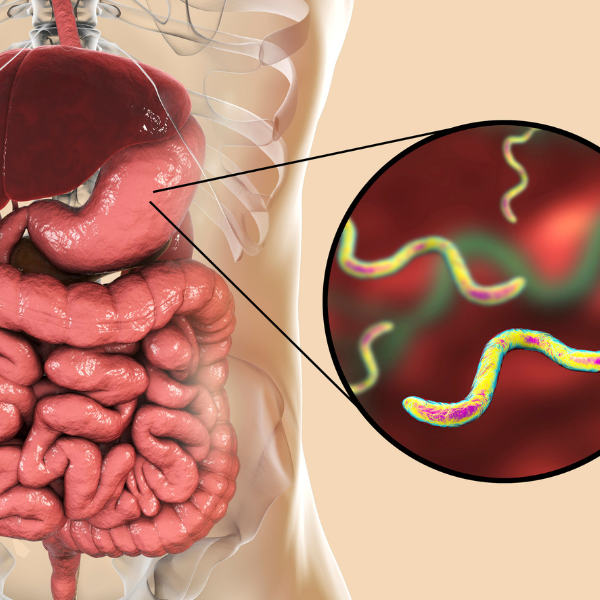
Campylobacter

Campylobacter

Leading bacterial cause of gastroenteritis, often linked to poultry.

  • Common sources: Raw/undercooked chicken, raw milk.
  • Route: Cross-contamination in kitchens; undercooking.
  • Prevention: Thorough cooking, raw–ready separation, hand and surface hygiene.
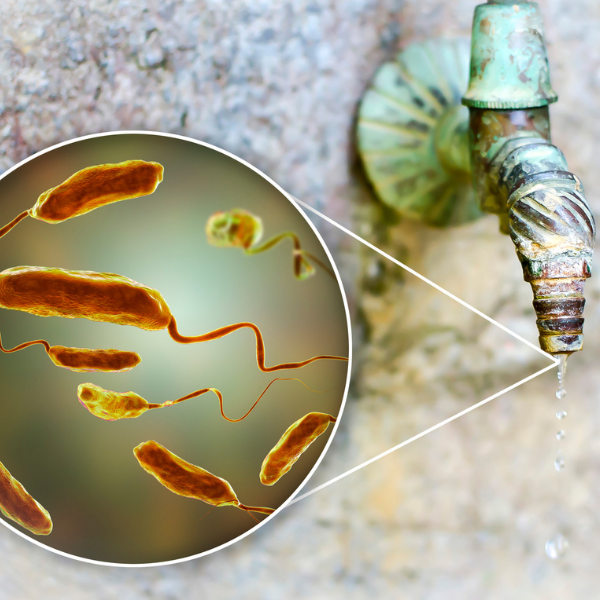
Vibrio spp.

Vibrio spp. (seafood)

Marine bacteria; risks rise with warm waters and raw shellfish.

  • Common sources: Raw oysters and other undercooked seafood.
  • Route: Contaminated harvest waters; inadequate cold chain.
  • Prevention: Source controls, rapid chilling, cook shellfish thoroughly.
Yersinia enterocolitica

Yersinia enterocolitica

Psycrotrophic bacteria often associated with pork.

  • Common sources: Pork products, chitterlings; post-cook contamination.
  • Route: Fecal contamination; survival at low temps.
  • Prevention: Cook pork thoroughly, avoid raw-ready contact, prompt chilling.
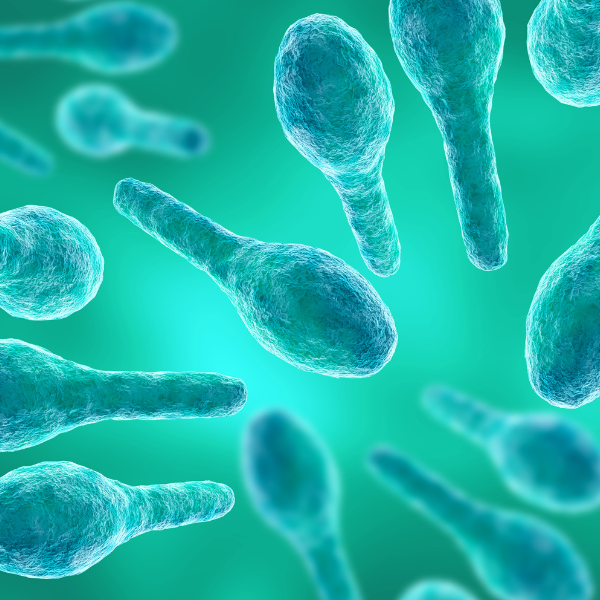
Clostridium perfringens

Clostridium perfringens

Spore-former associated with bulk-cooked meats held warm too long.

  • Common sources: Roasts, stews, gravies at unsafe holding temps.
  • Route: Spore survival → germination during slow cooling/warm holding.
  • Prevention: Rapid cooling, reheat adequately, hot-hold above safe thresholds.
Staphylococcus aureus enterotoxin

Staphylococcus aureus (enterotoxin)

Heat-stable toxin can form when foods are temperature-abused.

  • Common sources: Meats, dairy, and deli items handled without hygiene.
  • Route: Human carriers contaminate foods; toxin forms if time/temperature abused.
  • Prevention: Hand hygiene, glove use, rapid cooling, safe holding temperatures.
Brucella spp.

Brucella spp. (Brucellosis)

Zoonosis linked to unpasteurized dairy and occupational exposure.

  • Common sources: Raw milk/cheeses, infected livestock tissues.
  • Route: Ingestion, inhalation, or mucosal contact in abattoirs/inspection.
  • Prevention: Pasteurization, animal health programs, PPE for workers.
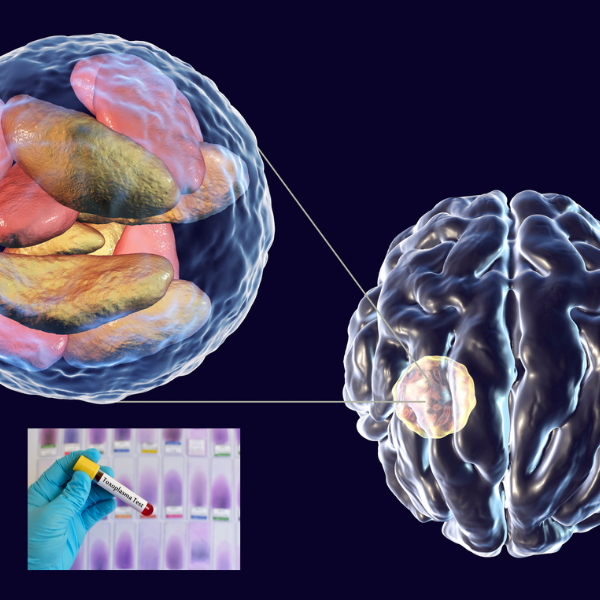
Toxoplasma gondii

Toxoplasma gondii

Protozoan parasite; foodborne risk mainly via undercooked meat.

  • Common sources: Undercooked lamb/pork/game; soil-contaminated produce.
  • Route: Tissue cysts in meat; oocysts in environment (cats are definitive hosts).
  • Prevention: Cook to safe temps, wash produce, hand hygiene after handling raw meat.
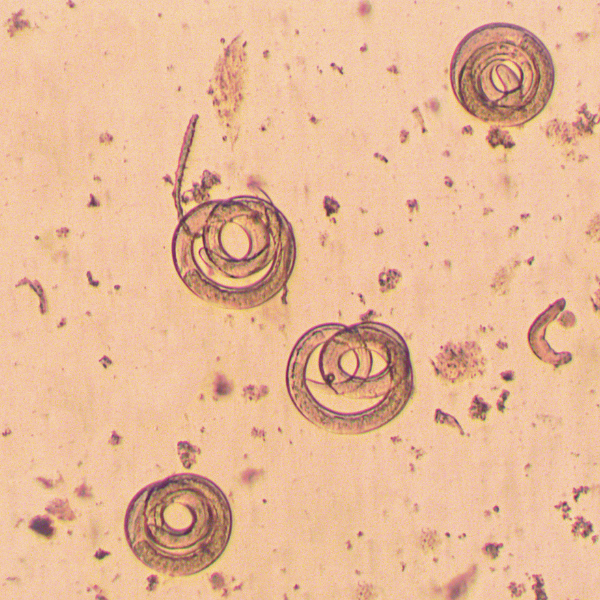
Trichinella spiralis

Trichinella spiralis

Nematode historically linked to pork and wild game.

  • Common sources: Undercooked game meats; historically pork.
  • Route: Ingestion of viable larvae in meat.
  • Prevention: Cook thoroughly; follow validated times/temps for game meats.
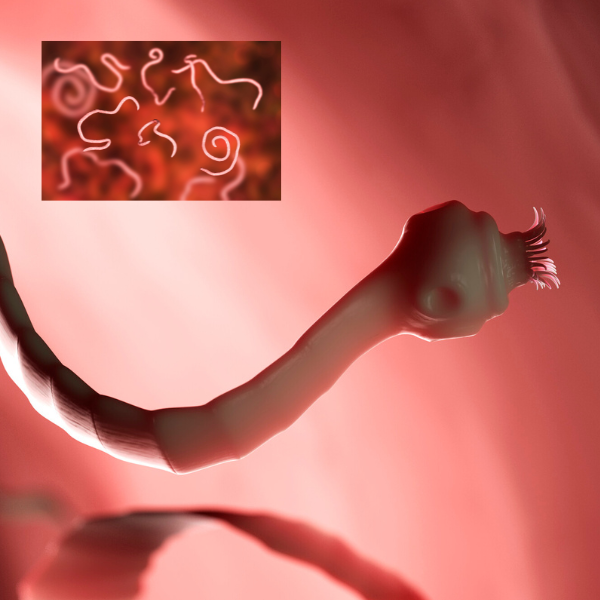
Taenia spp. tapeworms

Taenia spp. (tapeworms)

Cestodes transmitted via undercooked beef or pork.

  • Common sources: Beef (T. saginata), pork (T. solium).
  • Route: Ingestion of cysticerci in meat; poor slaughter hygiene.
  • Prevention: Veterinary inspection, proper cooking, sanitation in slaughter/processing.
© foodsafeinspections Brazil & United States